

Blog > Should You Buy a Home That Needs a Major Repair?
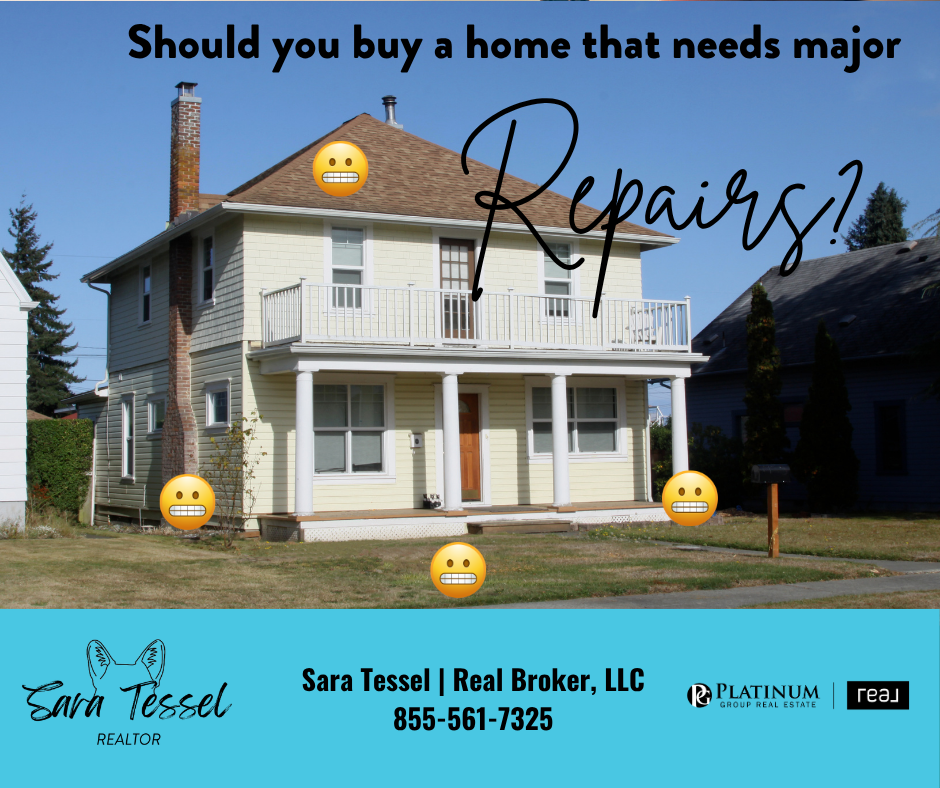
You’ve seen over a dozen (or more) homes and you FINALLY find the one that’s in the area you want, for the price you want, and you love everything about it… except it needs a major repair right away.
This can be a big letdown for home buyers in Northern Virginia and I have helped plenty of them through these tough decisions. Buying a home is one of the biggest financial decisions you'll ever make. Whether it's an aging roof, foundation issues, outdated HVAC system, or extensive water damage, a major repair can make an otherwise attractive property seem risky; not to mention the additional cost.
So, should you buy a home that needs a major repair? The answer depends on your budget, goals, and willingness to take on a project. Here's what Northern Virginia home buyers should consider before making an offer.
What Qualifies as a Major Home Repair?
Major repairs typically involve a home's critical systems or structural integrity. Common examples include:
- Roof replacement
- Foundation repairs
- Sewer line replacement
- Significant electrical rewiring
- HVAC system replacement
- Extensive mold remediation
- Water damage restoration
- Structural framing issues
These repairs often cost thousands, or even tens of thousands, of dollars and can impact your ability to secure financing if you hadn’t prepared for the situation. Depending on the severity of the problem, you may need to fix them right away to get peace of mind and live safely in your new home.
The Risks You Need to Understand
Repair Costs Can Escalate
A roof replacement might uncover hidden water damage. Foundation work could reveal drainage issues. What begins as a $10,000 repair can sometimes become a much larger project.
This is why thorough inspections are critical before moving forward.
Financing Challenges
Some loan programs have property condition requirements. If a home has severe structural, electrical, or safety issues, traditional financing may become difficult.
Certain renovation loan programs may help buyers finance both the purchase and repair costs, but these options typically involve additional requirements.
Temporary Lifestyle Disruptions
Living through major renovations can be stressful. Depending on the scope of repairs, you may need temporary housing or be prepared for contractors, noise, and delays.
Questions Every Buyer Should Ask
Before purchasing a home with significant repair needs, ask yourself:
- Can I Afford the Repairs?
- Don't just budget for the estimated repair cost. Build in a contingency fund of at least 10-20% for unexpected issues.
- How Long Do I Plan to Own the Home?
- If you're planning to stay for many years, investing in repairs may make sense. If you expect to move again within a few years, recovering renovation costs could be more challenging.
- Is the Neighborhood Worth the Investment?
- Location remains one of the most important factors in real estate. A home with repair needs in a highly desirable Northern Virginia neighborhood may represent a much better investment than a turnkey home in a less desirable location.
- Have I Received Professional Inspections?
- Never rely solely on seller disclosures. Hire qualified inspectors and specialists when necessary to fully understand the scope of repairs.
Red Flags That May Be Deal Breakers
Some repair issues deserve extra caution:
- Major foundation movement
- Extensive mold throughout the property
- Significant water intrusion
- Environmental hazards
- Unpermitted structural modifications
- Multiple major systems failing simultaneously
These situations aren't necessarily reasons to walk away, but they require careful evaluation and accurate cost estimates.
The Flip Side: The Potential Benefits of Buying a Home That Needs Repairs
Lower Purchase Price
One of the biggest advantages is the opportunity to buy below market value. Many buyers are hesitant to take on major repairs, which can reduce competition and create negotiating leverage.
In highly desirable Northern Virginia communities like Fairfax, Centreville, Chantilly, Ashburn, and Leesburg, purchasing a fixer-upper may be one of the few ways to enter a neighborhood that would otherwise be out of budget.
Opportunity to Build Equity
When repairs are completed correctly, homeowners often see an increase in property value. By addressing major issues and making improvements, you may be able to build equity faster than if you purchased a move-in-ready home at full market value.
Customization Potential
Buying a home that needs work allows you to renovate according to your preferences rather than paying a premium for upgrades chosen by someone else.
How a Realtor Can Help You Evaluate the Risk
While a decision to buy a home that needs extensive work is ultimately up to you, I can help you:
- Compare repair costs against market value
- Negotiate repair credits or seller concessions
- Connect with trusted contractors and inspectors
- Identify neighborhoods where the investment may make sense
- Determine whether you're getting a bargain vs. inheriting a money pit
Having a knowledgeable local expert can make the difference between finding a great opportunity and making a costly mistake.
The Bottom Line
Buying a home that needs a major repair isn't always a bad idea. In fact, it can be a smart strategy for buyers looking to build equity and purchase in desirable Northern Virginia neighborhoods. However, success depends on understanding the true cost of repairs, conducting thorough inspections, and having a realistic budget.
Every property is unique, and what may be a great opportunity for one buyer could be a poor fit for another. Before making an offer on a home with significant repair needs, consult with a trusted real estate professional who understands the Northern Virginia market and can help you evaluate the risks and rewards.
Thinking About Buying a Home in Northern Virginia?
Whether you're considering a fixer-upper or a move-in-ready property, lets talk more about your needs, budget, and how uncomfortable you’re willing to get on repairs to your potential dream home.
GET MORE INFORMATION